Buying guide
How to Compare Probiotic and Synbiotic Labels
Compare strain identity, labeled amounts, serving directions, storage, refill format, and evidence boundaries instead of treating CFU count as a universal score.
Editorial buying guide · Updated · ByDaily Formula Guide Editorial Team ·Editorial policy ·Methodology
Do not use CFU count as a single score
Probiotic and synbiotic labels often make one large number visually dominant. NIH’s Office of Dietary Supplements explains that a higher CFU count does not necessarily mean greater benefit. The microorganism identity, the amount, and the evidence for a specific use matter more than a headline number by itself.
That means two products cannot be ranked responsibly from CFU count alone. Start with the full strain names where provided, the amount the label says is available, the serving directions, and whether the product includes other components such as a prebiotic.
Check the exact product format
Starter product or refill
A refill listing is a different purchase from a starter product. Confirm what is included, how many days the listing represents, and whether it is designed for a container or system already owned. If a shopper expects a complete first purchase but receives only a refill, the product can be unsuitable even if the formula itself was the intended one.
Daily capsule routine
Read the number of capsules per serving and the official timing directions. Do not assume every product uses one capsule or requires food. Then ask whether that repeated action fits the existing routine.
Storage and handling
Verify current storage instructions from the label or official page. Avoid applying one product’s storage needs to an entire category. Packaging and travel convenience should be considered separately from product-effect claims.
Read microorganism identity carefully
Genus, species, and strain are different levels
A probiotic label may identify microorganisms at several levels. When a strain designation is provided, preserve the full name while comparing products. Two labels that share a genus or species name are not necessarily documenting the same strain. A generic category statement should not be used to promise a result from an exact strain combination.
Confirm when the labeled amount applies
Check whether the amount is described at manufacture, through a date, or under specified storage conditions. Do not convert one label convention into another without evidence. If the timing or storage basis is unclear, record that uncertainty instead of using the number in a ranking.
Separate prebiotic components from probiotic counts
A synbiotic combines probiotic microorganisms with a prebiotic component, but the exact composition still matters. Read the full panel and other ingredients. The word “synbiotic” does not establish that every combination has the same purpose or evidence.
Compare the routine, not just the formula
Capsule count and timing
Seed’s official DS-01 page states a routine of two capsules daily, with or without food. That documented instruction lets a buyer assess pill count and timing. It does not establish individual tolerance. For another product, use that product’s own directions rather than carrying Seed’s routine across the category.
Reorder cycle and refill dependence
A 30-day refill creates a recurring reorder decision. Confirm the package duration and whether an existing vessel or starter purchase is expected. Consider shipping timing and the possibility that the current listing changes. Subscription terms, when offered, should be read on the live merchant page and not assumed from an earlier snapshot.
Storage during travel
Travel can change temperature, moisture, and packaging conditions. Follow the exact product instructions and keep identity information with the product. If the storage requirement cannot be met, another format or no purchase may be more practical.
Evaluate feedback without turning it into fact
Customer reviews can reveal recurring questions about capsule size, packaging, shipping, or routine friction. They cannot prove that a product will produce the same outcome for another person. Check recent feedback for themes, then verify factual details against the current label or official instructions.
Ratings and review counts are dynamic. A high rating is not a substitute for strain identity, serving information, storage requirements, or a clear reason for adding the product.
Keep evidence at the right level
Manufacturer pages can support the formula name, listed strains, directions, package format, and brand claims when they remain attributed. General NIH or FDA information can explain category and regulatory context. Neither source type proves a personal result from an exact product.
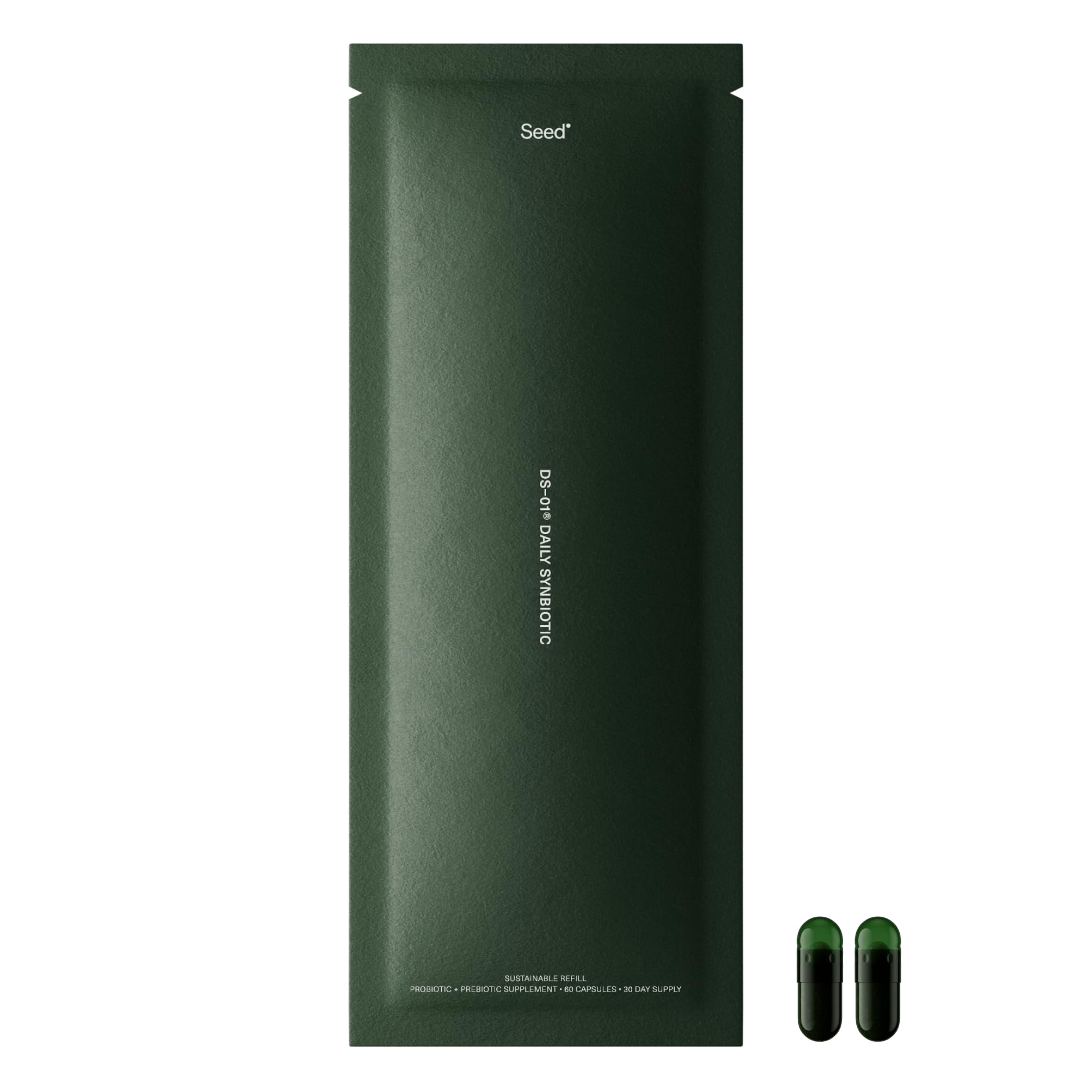
If you are considering the Seed DS-01 30-Day Refill, the immediate buying question is refill fit: confirm that the listing is the correct refill, that the documented two-capsule routine is acceptable, and that the current label matches what you intend to purchase.
Choose another route when needed
Skip the refill if you need a starter container, cannot confirm compatibility, or want professional guidance for a personal health concern. Choose neither product when the exact label or storage directions are unavailable. The safest comparison ends when the evidence does.
Final comparison checklist
- Is the exact product a starter item, refill, or standalone bottle?
- Are the microorganisms identified clearly enough for a meaningful comparison?
- Does the label explain the serving amount and when it applies?
- Are capsule count, timing, storage, and reorder steps realistic?
- Have current other ingredients and warnings been reviewed?
- Is the decision based on the full label rather than CFU count alone?
- Can the current seller, package, shipping, and return terms be verified?
Choose a product only when its exact identity, routine, and evidence fit the intended task. Otherwise, keep comparing or choose neither.
Product-selection path
Products referenced in this guide
A shopper who already understands the DS-01 system and specifically needs the 30-day refill format shown in the current listing.
- Best for
- A shopper who already understands the DS-01 system and specifically needs the 30-day refill format shown in the current listing.
- Before buying
- Confirm the current listing details.
Skip if: You need the starter vessel, cannot confirm the refill is compatible with your existing setup, or are choosing a probiotic product only by its headline CFU number.
What to verify before buying
Product listings can change. Check the exact variant, size, ingredient or material information, directions, warnings, seller, return terms and current availability before buying.
Last checked: 2026-09-01. This page does not present hands-on product testing.
Approved sources
FAQ
Is a higher CFU count always better?
No. NIH ODS says higher CFU counts do not necessarily produce greater benefits; the microorganisms, amounts, and evidence for a use matter.